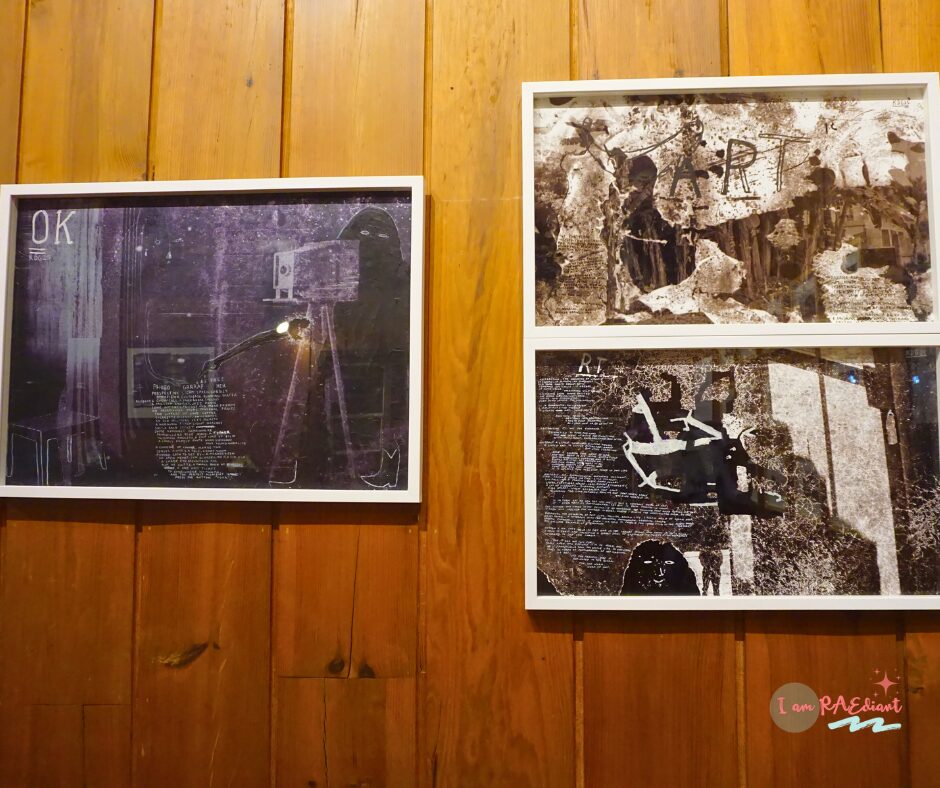
“Habitual Exposure”—a photography exhibit unveiled at Chaya Legarda Restaurant for the Ibagiw GASTRO X ART Creative Crawl 2025 last November 15—brings together the worlds of two renowned Cordillera artists: photographer Tommy Hafalla and artist–curator Kawayan De Guia. Featuring work studies from 1978–2011, the collection reveals decades of landscapes, lives, and cultures captured through Tommy’s lens. What makes this exhibit even more compelling is how time—and even mold—became collaborators. Film imperfections evolved into organic patterns, transforming what many would call “damage” into unexpected beauty.
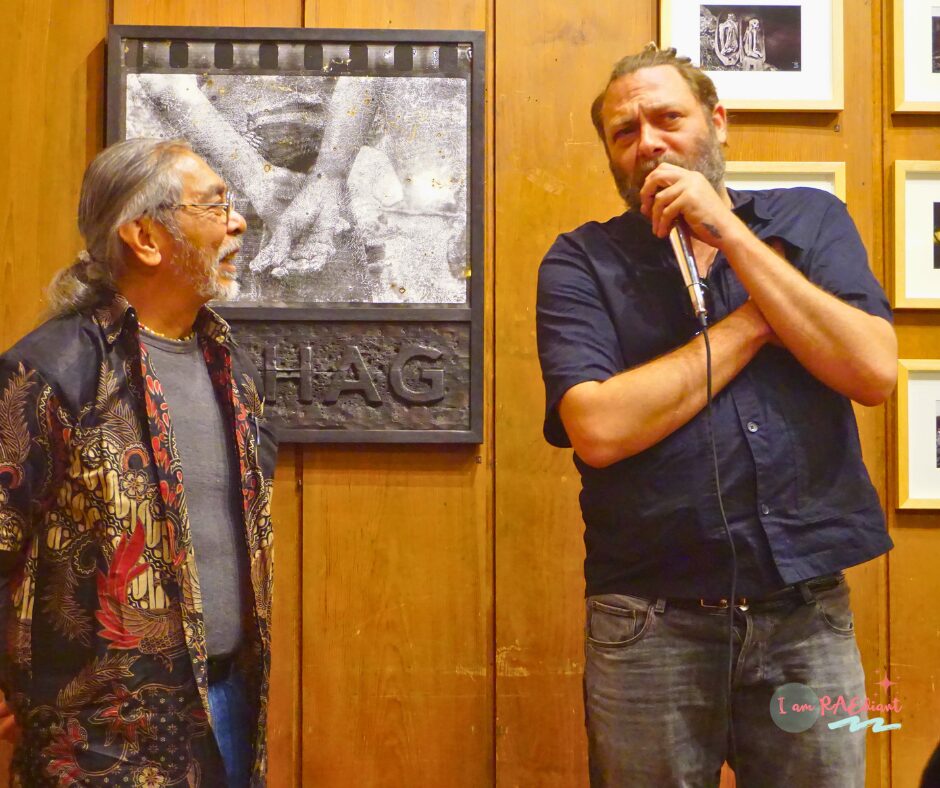
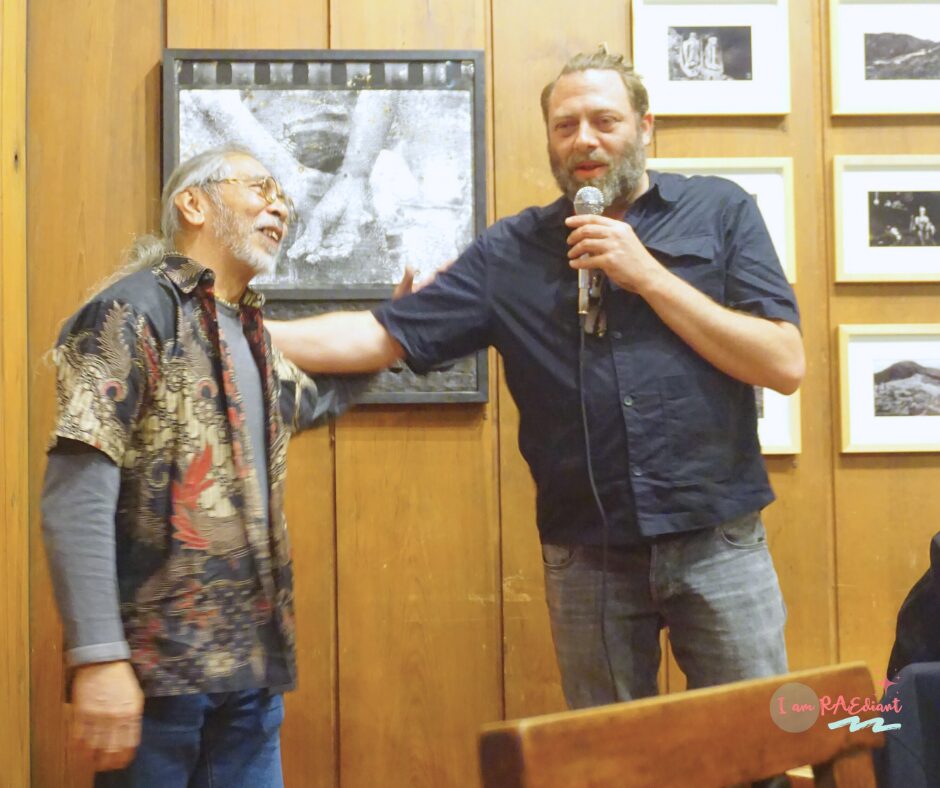
During the launch, the artists shared insights behind the exhibit. Kawayan spoke about the intimacy of Tommy’s work prints: “They are small, but when I am looking at the work now, it’s like entering these landscapes, these worlds, people, and culture.” He also reflected on his own creative process, which blurs mediums: “I was talking about scratching, drawing, writing… somehow I managed to cross the threshold between the photograph, the drawing, the thought.” Drawing inspiration from Tommy and film pioneers like Kidlat Tahimik, he added with a chuckle, “If not for them, where would I be? Idol ko si Tommy—ever since!” Kawayan’s approach embraces the unexpected: “Most photographers would say ‘nasira yung image ko,’ but when I saw mold on the film, I said—iba ito. Beautiful.”
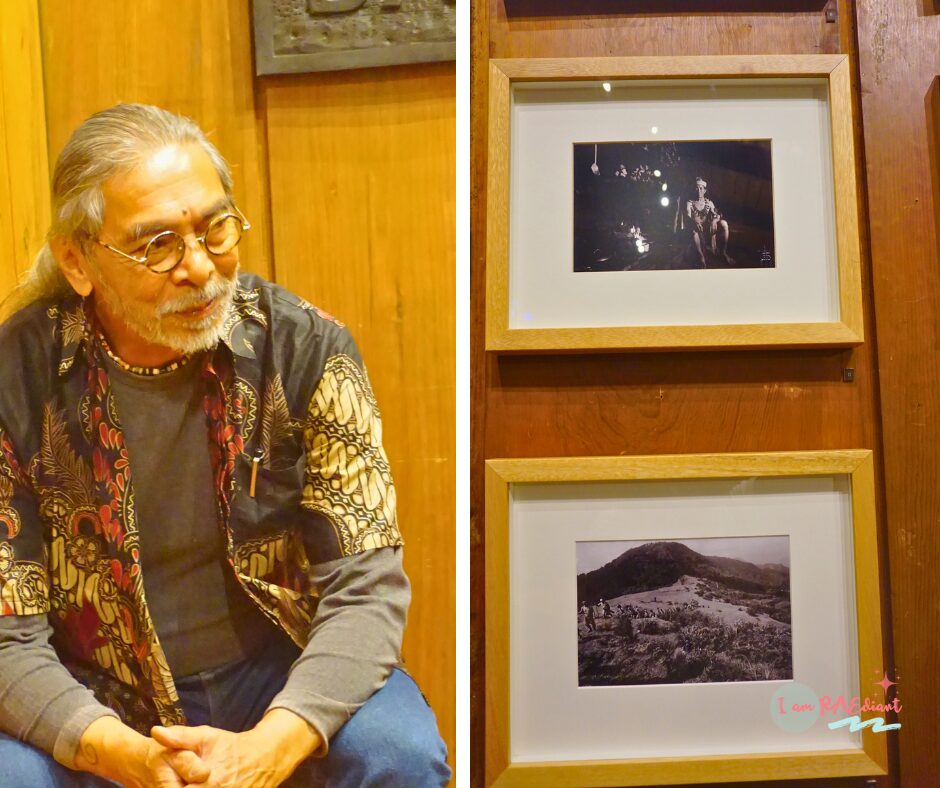
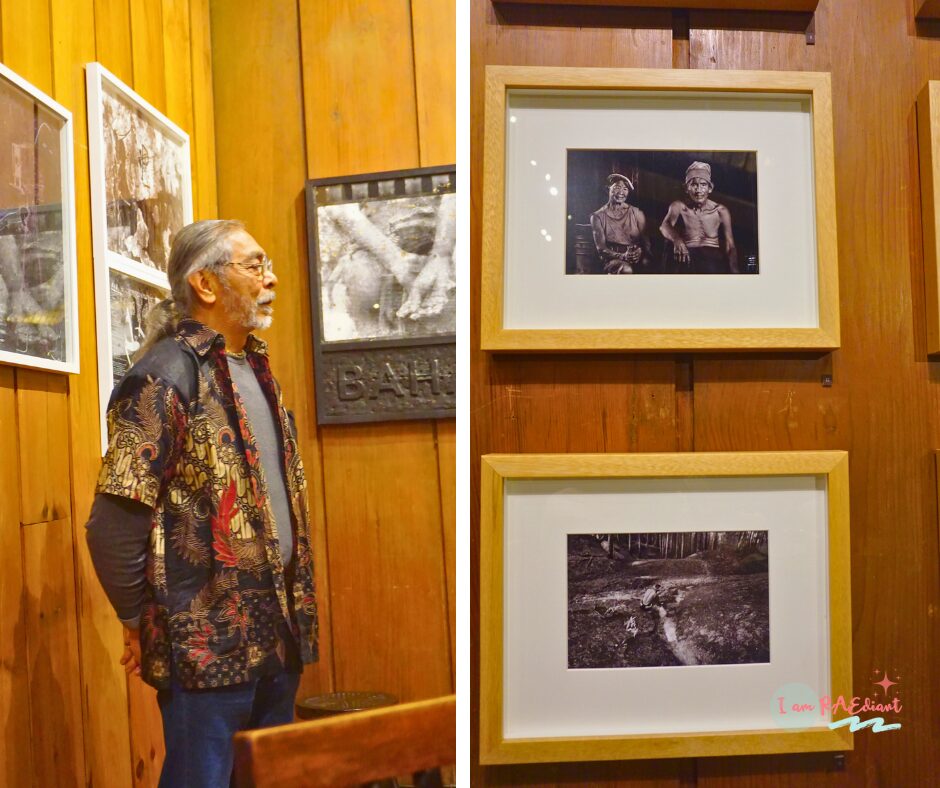
Tommy, reflecting on his decades-long archive, shared how it all began: a trip to Mt. Pulag with his brother during a medical mission sparked everything. “When I got there, it snapped—how can I record all this? The majestic Cordillera? It started like a diary, and I’ve been recording, first the landscape and decided, why not the people?” What began as a visual diary of landscapes naturally expanded to include the ethnolinguistic communities he grew up around.
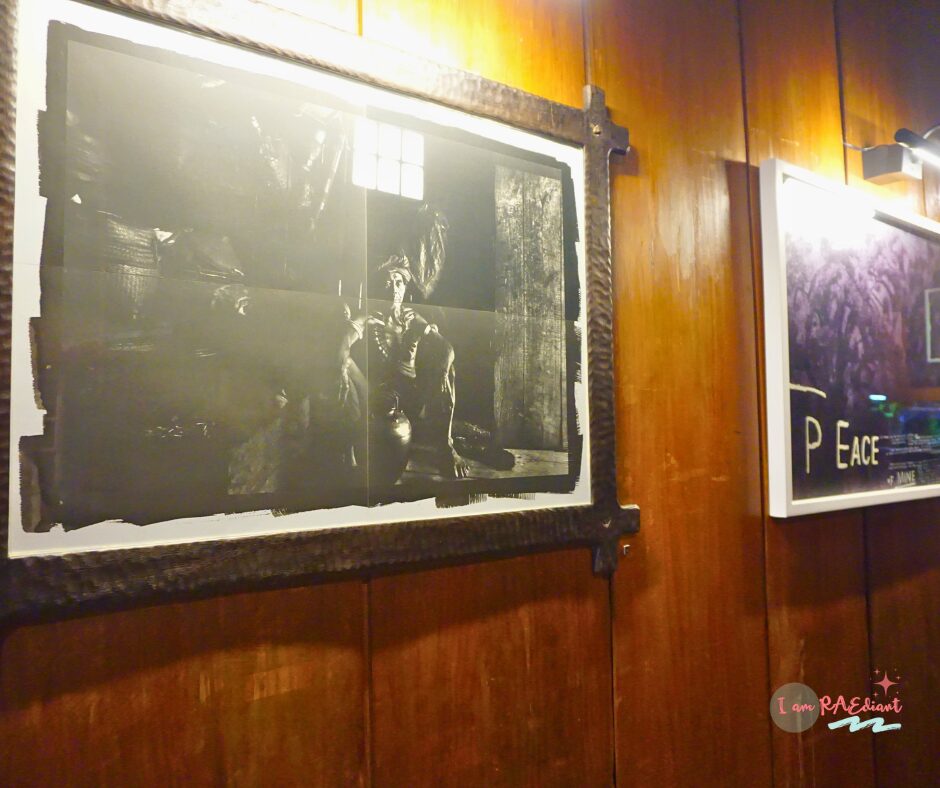
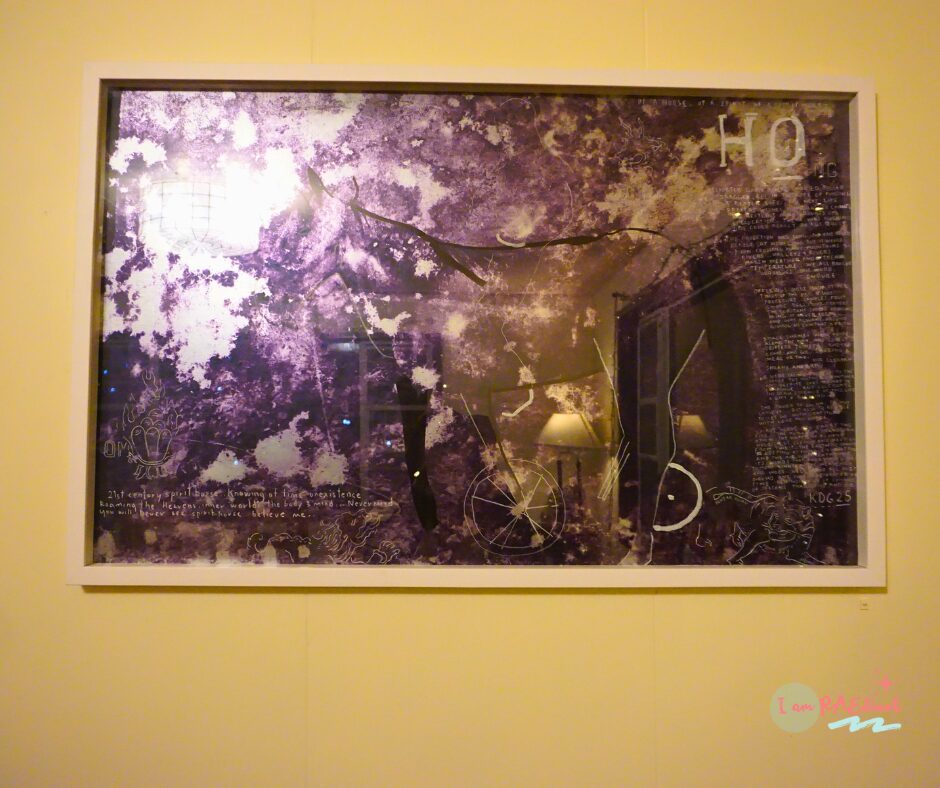
At Chaya, the culinary experience unfolded alongside the visual narratives. I’ve always believed that food is one of the most honest forms of craftsmanship—slow, intentional, and deeply personal. That belief was affirmed again at this launch, where Japanese cuisine with a Cordilleran twist met decades of photographic storytelling.
Even amidst the bustling crowd, I found myself zooming in on each dish, tuning out the noise, and appreciating the care and intention behind every preparation.
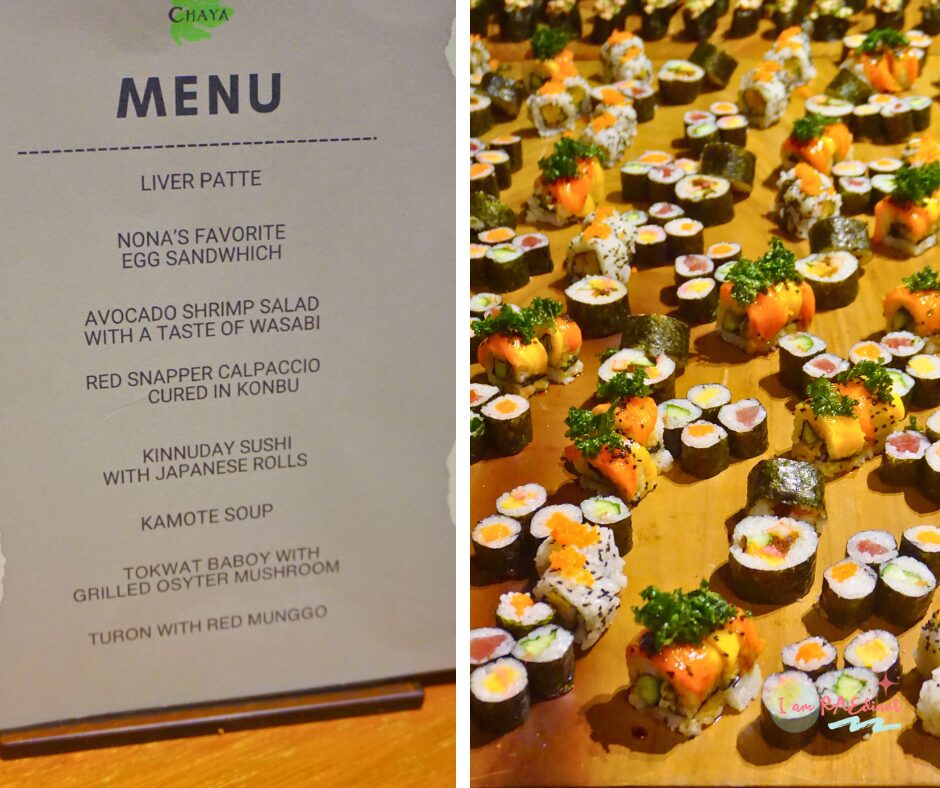
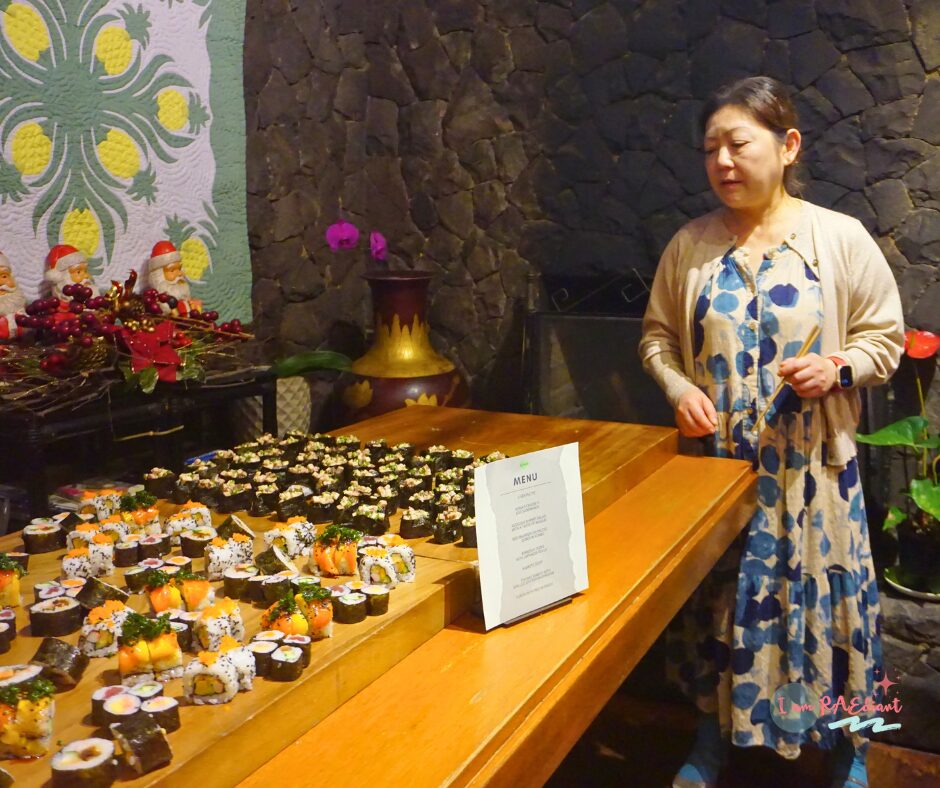
Liver Paté; marinated in cognac for over a day, cooked low and slow, then rested overnight. Served with small crackers, the spread was rich, silky, and surprisingly delicate.
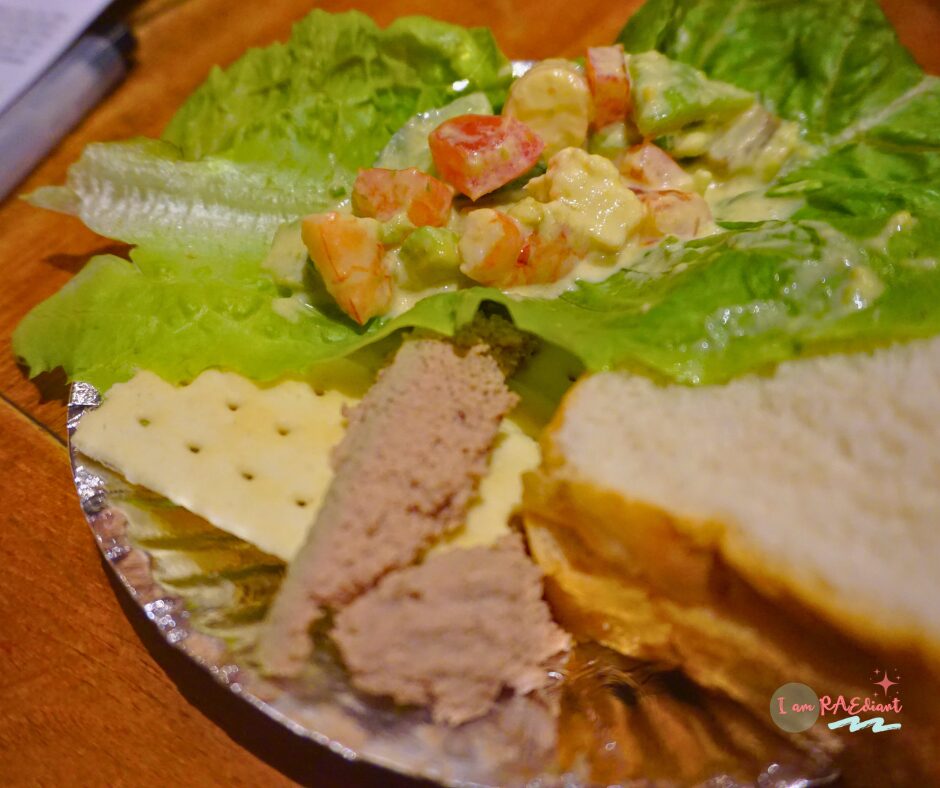
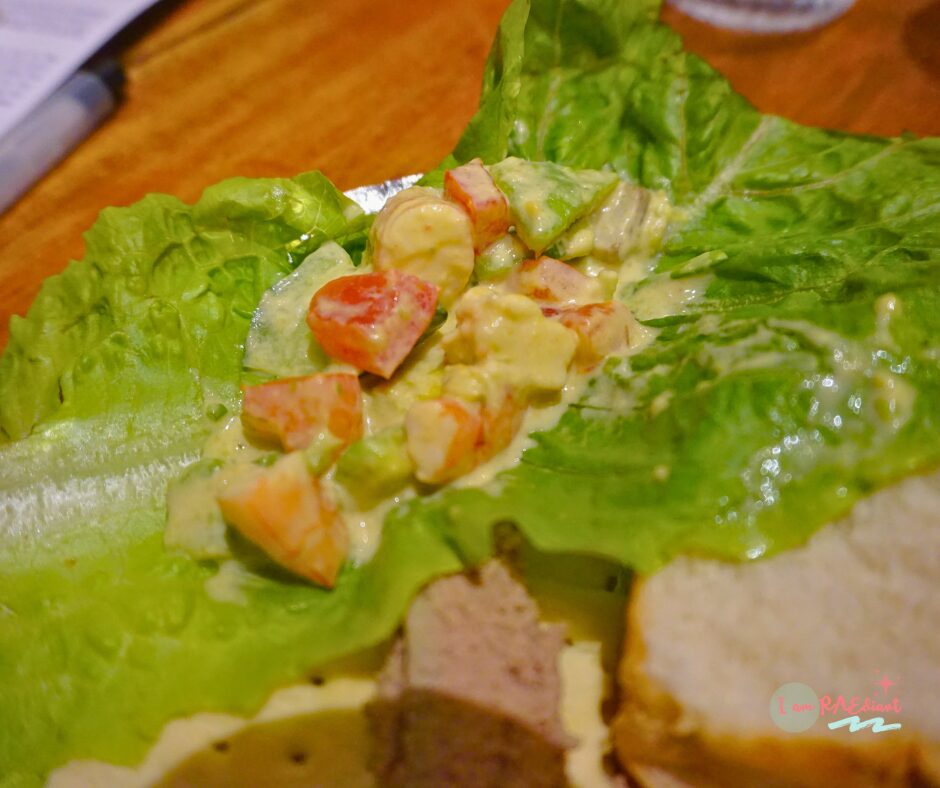
Another appetizer was Nona’s Favorite Egg Sandwich—soft, comforting, and sentimental. Chef explained, “Wherever she is, I’ll make it,” a nod to her friend, Nonna, Kawayan’s partner. The warmth of the gesture was palpable in every bite.
The Avocado Shrimp Salad with a Taste of Wasabi was fresh and lively, the subtle kick of wasabi making the shrimp and avocado sing together. Another simple but elegant starter was Blanched Pechay with Red Ponzu Jelly sprinkled with Katsuboshi flakes.
The Kamote Soup, thick and comforting—perfect for Baguio’s cool climate.
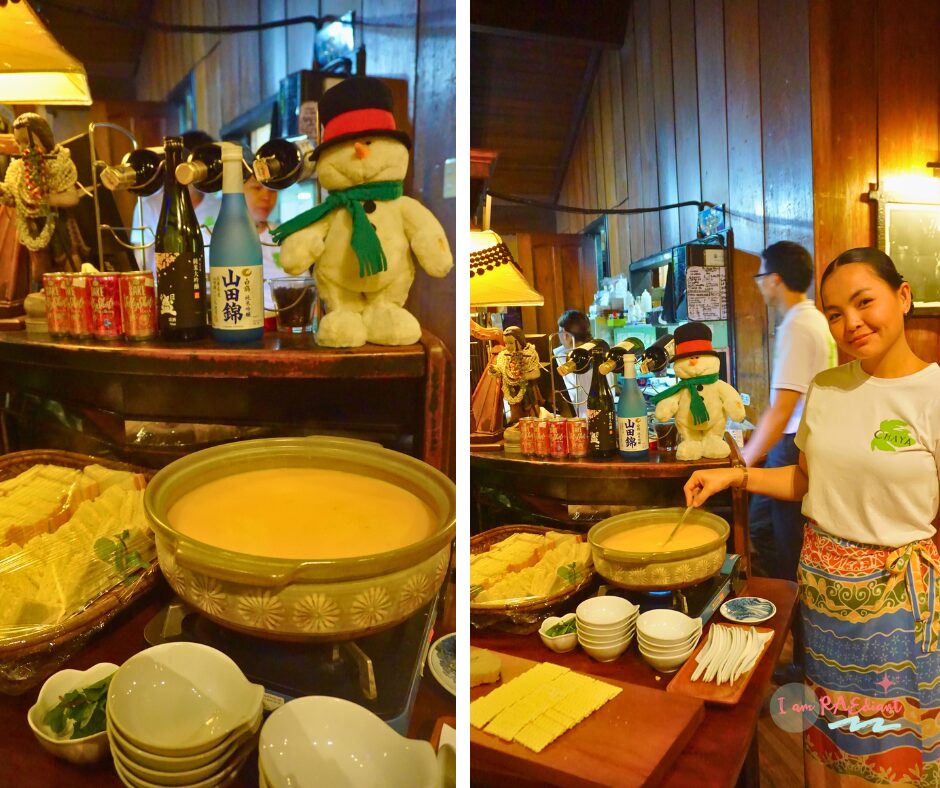
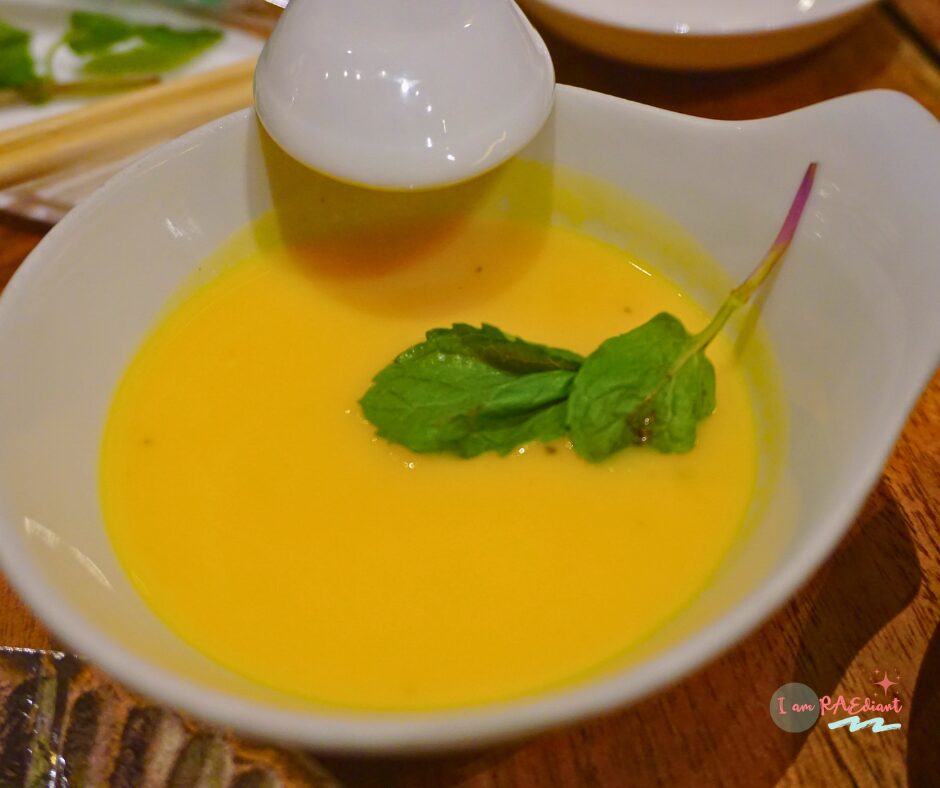
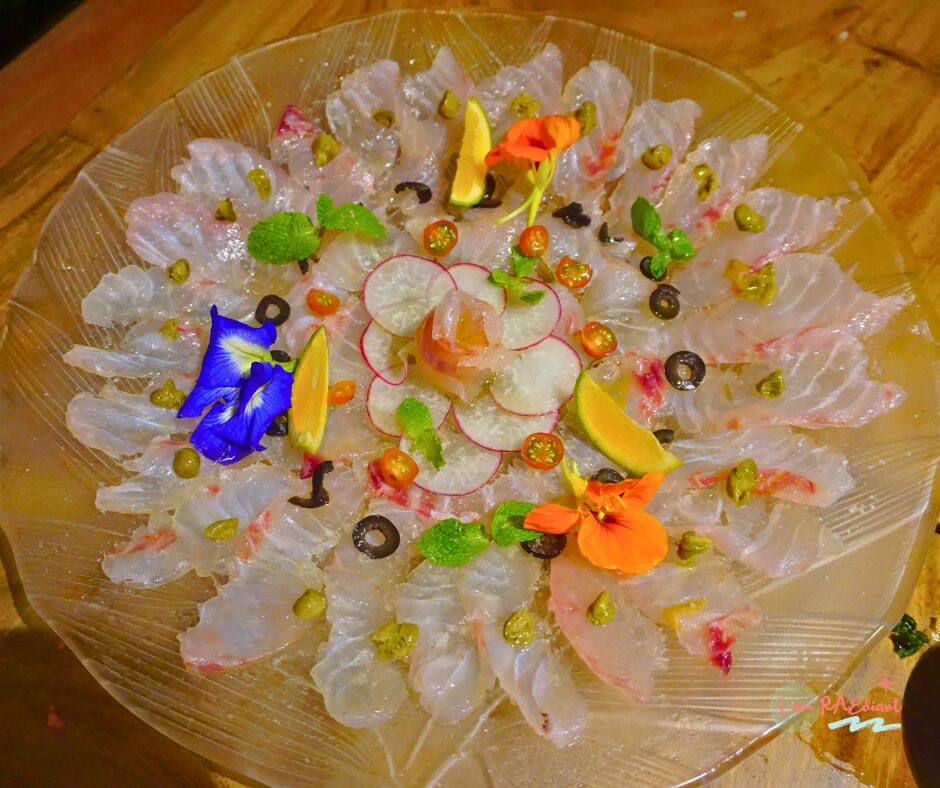
The Red Snapper Carpaccio, cured in konbu, its bright acidity made the fish feel clean and vibrant, lingering on the palate.
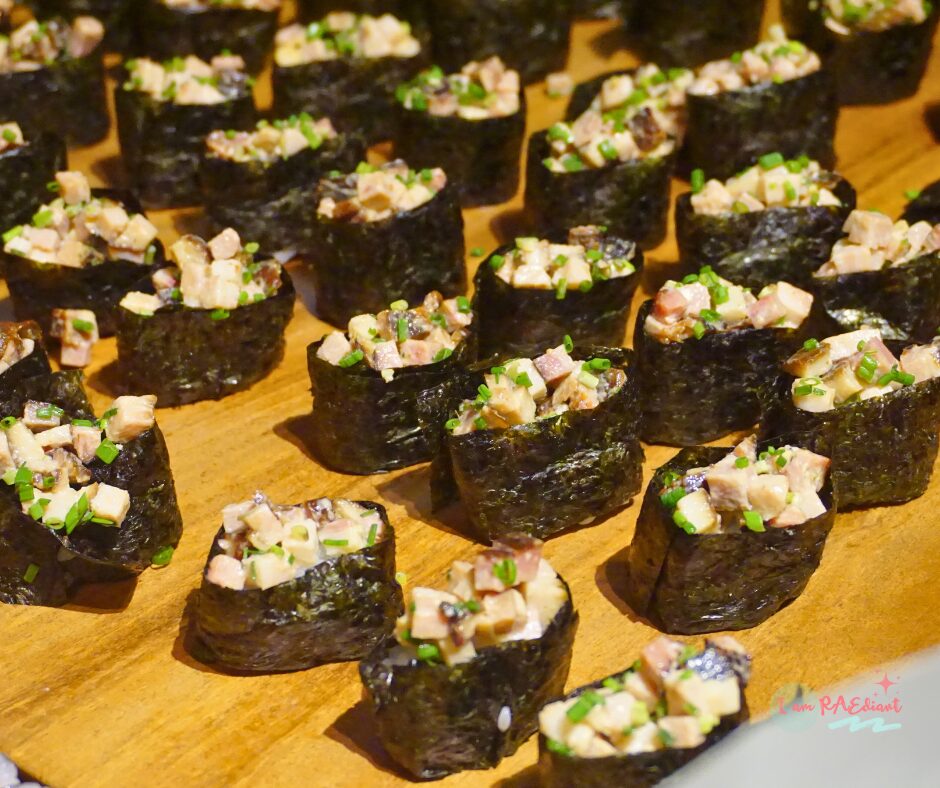
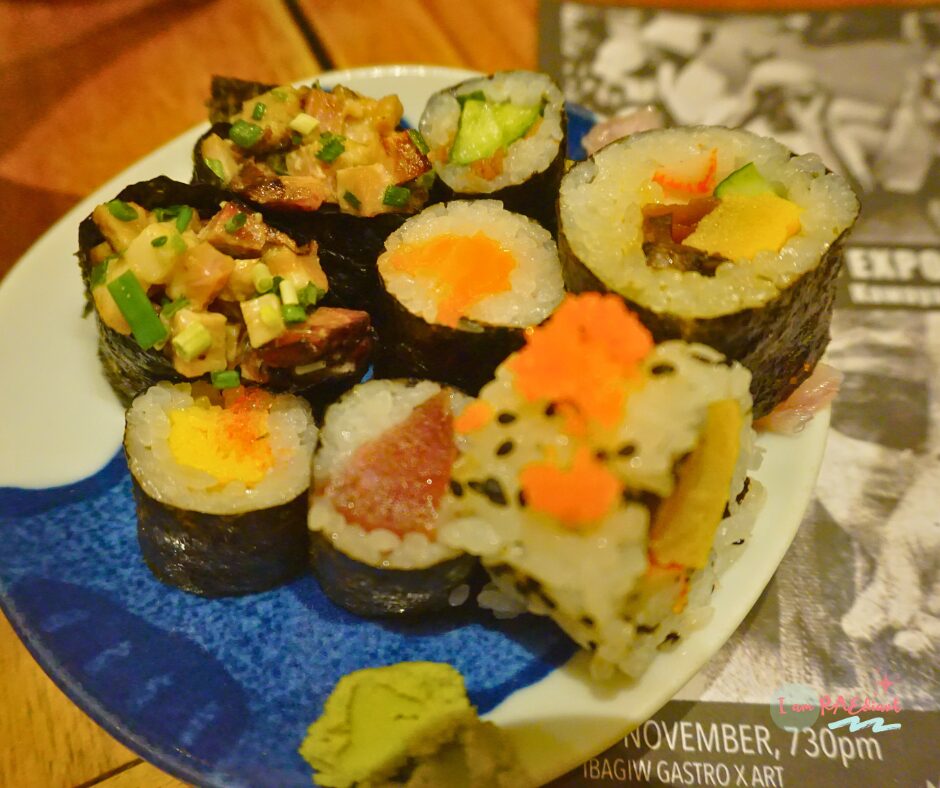
Chef revived last year’s well-loved Kinnuday Sushi with Japanese Rolls, this time weaving the brightness of dayap or lime into the smoky depth of the fermented Cordilleran meat.
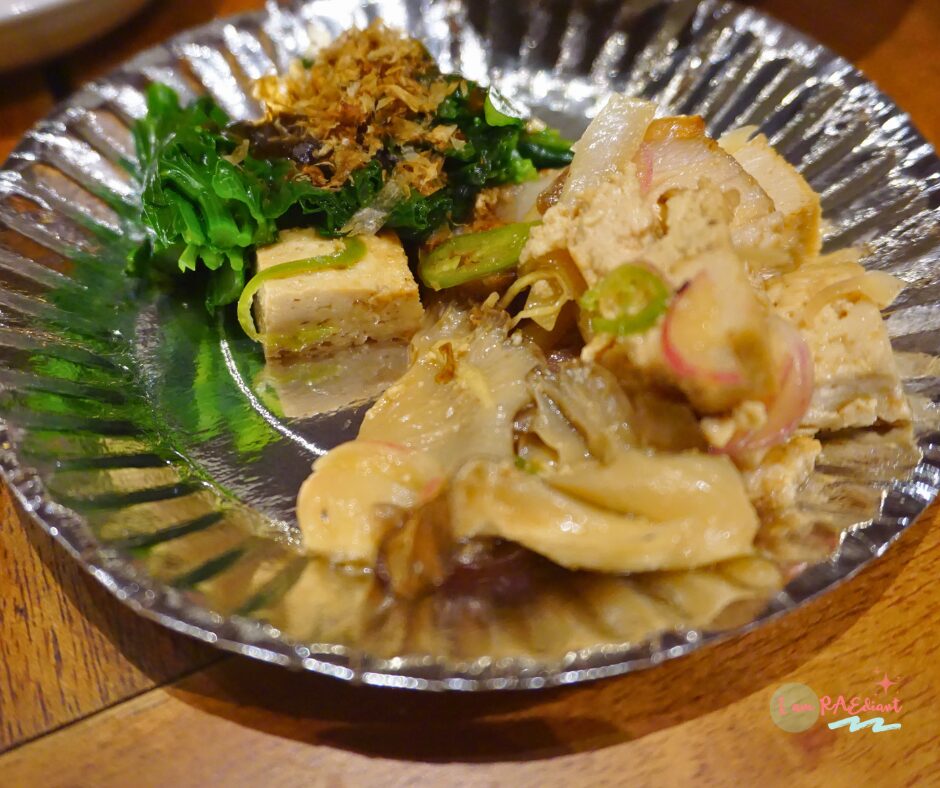
Another one of Chef Sonoko’s dishes is the Tokwa’t Baboy with Grilled Oyster Mushroom—a personal favorite. The smokiness of the grilled mushrooms elevated the Pinoy classic, while dayap, luya, Sasa vinegar, soy, and a touch of mirin balanced the dish.
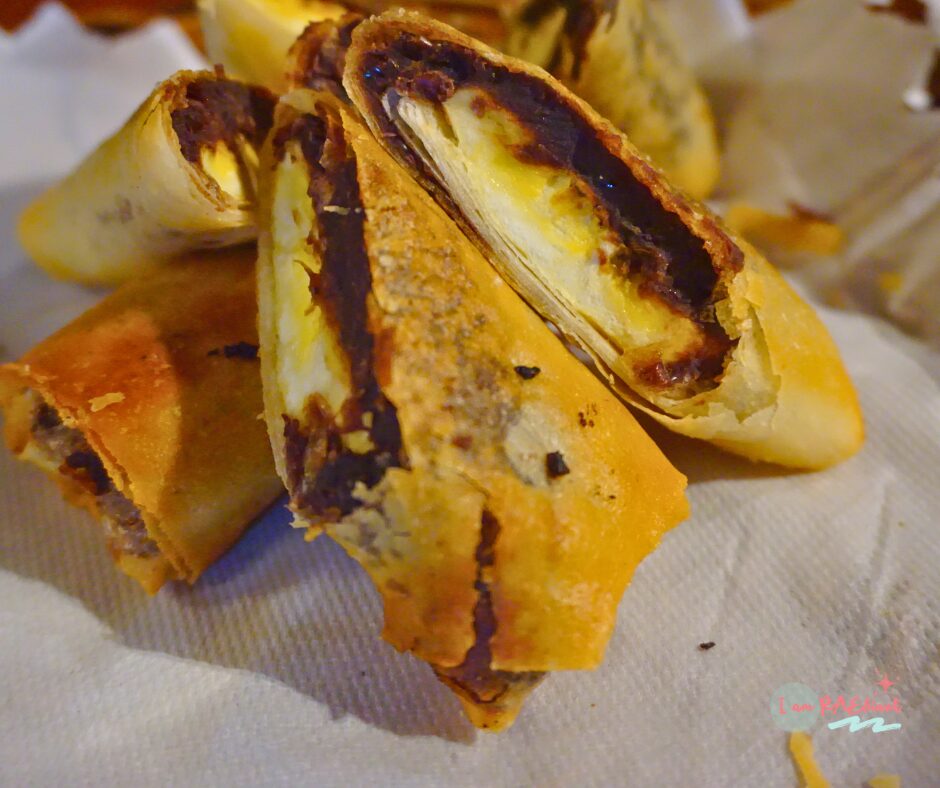
Finally, dessert (a filling dessert): Turon with Red Munggo, Chef described the red munggo as anko, a Japanese sweet paste made from azuki beans, and explained how she cooked it for two days.
Eating these dishes while surrounded by the works of Tommy Hafalla and Kawayan De Guia felt like stepping into a full-sensory dialogue. Being there—witnessing the art, the food, and the community—made me feel truly blessed and inspired me to celebrate the fusion of art and gastronomy even more.