
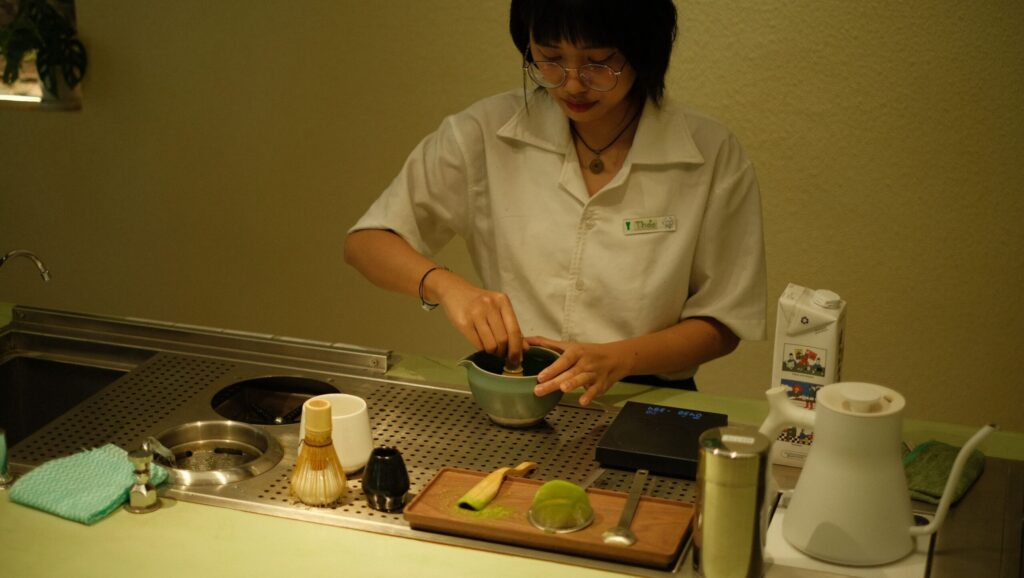
In cafes from Singapore and Paris to Los Angeles and Manila, the bright green drink that once belonged mainly to Japanese tea ceremonies has become a social media sensation.
Matcha lattes, iced strawberry matcha, matcha soft serve and even matcha skincare products are now everywhere. But as the craze intensifies, suppliers are struggling to keep shelves stocked, and some producers in Japan are warning that demand has outpaced what they can realistically grow.
For tea farmers in Japan, it is both a blessing and a headache.
“We’ve never seen anything like this,” said Masahiro Yoshida, a sixth-generation tea farmer in Kyoto, who told Reuters that heat damage and falling yields have made it harder to satisfy surging overseas demand.
Social media fuels a centuries-old drink
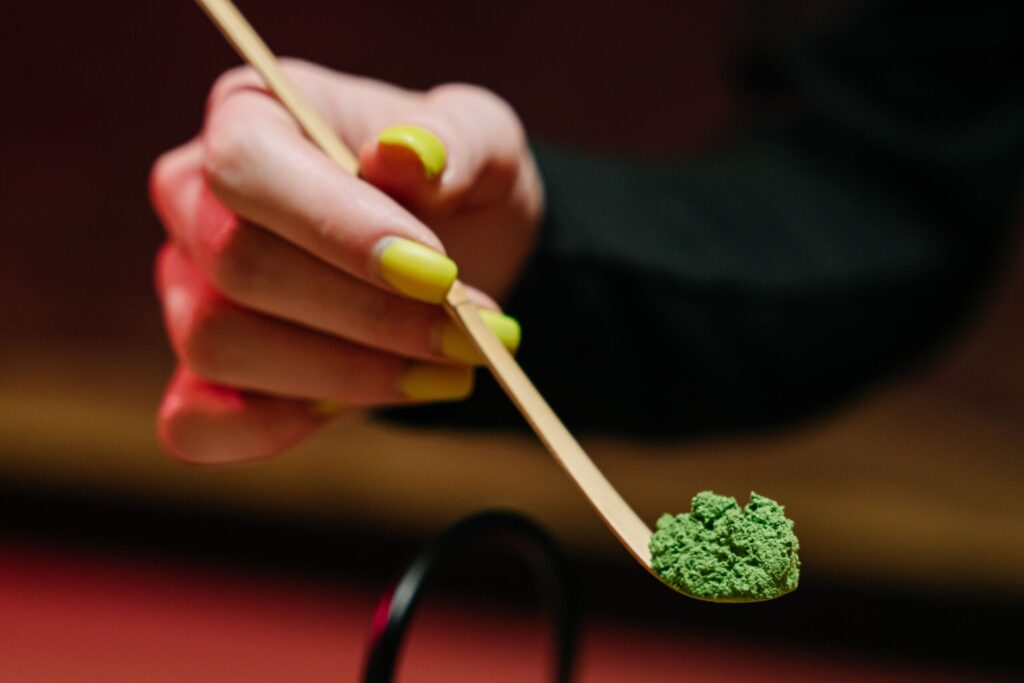
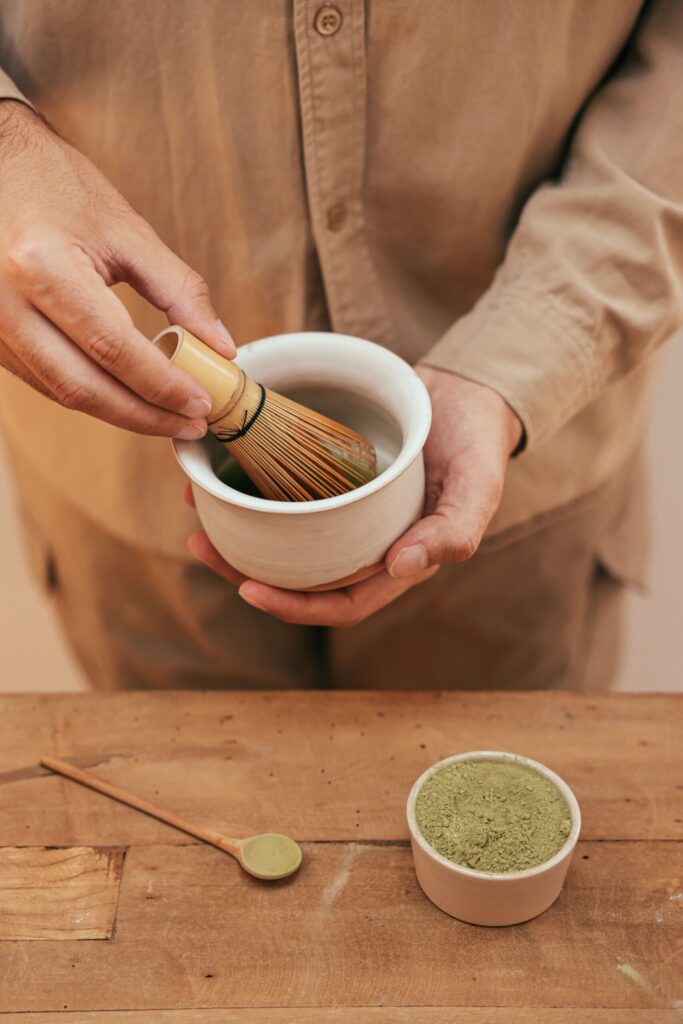
The finely ground green tea powder has been consumed in Japan for centuries, traditionally prepared during tea ceremonies. But over the past few years, matcha has transformed into a global lifestyle product.
Instagram and TikTok have helped propel its popularity, with millions of posts showcasing elaborate matcha drinks and desserts. Cafes have embraced it as consumers seek healthier alternatives to coffee, while tourists visiting Japan often return home with tins of ceremonial-grade powder.
The global matcha market is expected to continue expanding over the next decade, driven largely by younger consumers and wellness trends.
A supply chain that cannot move quickly
Unlike coffee beans, producing premium matcha is a lengthy process.
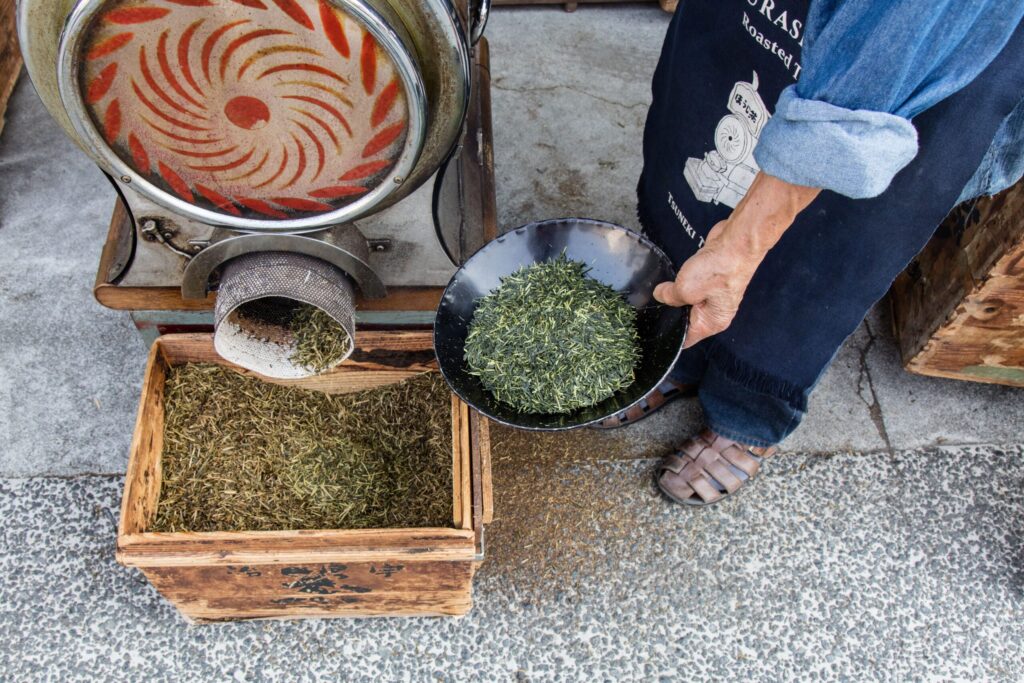
The leaves, known as tencha, are shade-grown before being harvested and slowly ground into powder. Only a small portion of Japan’s tea production is dedicated to matcha, and expanding output is not immediate. New tea plants can take about five years before reaching full production.
That mismatch between supply and demand is becoming increasingly apparent.
Japan’s green tea exports have surged in recent years, with overseas buyers snapping up supplies months before harvest. Large purchasers often secure allocations first, leaving smaller importers and independent cafes scrambling for what remains.
Some well-known producers have even imposed purchasing limits after experiencing what they described as explosive demand.
Climate change adds pressure
Nature is also playing a role.
Record heat waves have affected tea-growing regions, particularly around Kyoto. According to Reuters, some farmers saw yields drop by as much as 25 percent after high temperatures damaged tea bushes. Auction prices for tencha reached record levels in 2025, climbing 170 per cent from the previous year.
An ageing farming population presents another challenge.
Tea cultivation remains labor-intensive, and Japan’s shrinking agricultural workforce means fewer people are available to carry on the craft. Analysts warn that expanding supply may prove difficult even as global demand keeps rising.
Cafes and consumers feel the squeeze
The effects are already being felt far beyond Japan.
Specialty tea shops and cafes in North America and Europe have reported longer waiting times and higher wholesale prices. Some businesses are switching to culinary-grade matcha or blending supplies to avoid passing steep price increases to customers.
In Paris, queues form outside Japanese-inspired cafes where matcha drinks have become a staple among tourists and young professionals. Similar scenes are playing out in New York and other major cities.
Despite the shortages, industry experts say the trend is unlikely to fade anytime soon.
The challenge, they say, is whether a centuries-old tradition can keep pace with a modern world that suddenly wants matcha in everything.
And for many tea growers in Japan, that presents an unusual problem.
After generations spent preserving a cultural craft, they are now racing to meet a demand that has turned a quiet ritual into one of the world’s hottest beverages.